

The evolution of gambling A journey through history and culture

The evolution of gambling A journey through history and culture
The Origins of Gambling
The history of gambling dates back to ancient civilizations, where it served various cultural, social, and economic purposes. Archaeological evidence suggests that the Chinese were the first to engage in gambling as early as 2300 B.C., using rudimentary dice made from bone. Similar practices emerged in ancient Rome and Greece, where games of chance were played during festivals and events, often accompanied by betting. To experience the thrill of online gambling today, you can explore the best online casinos available.
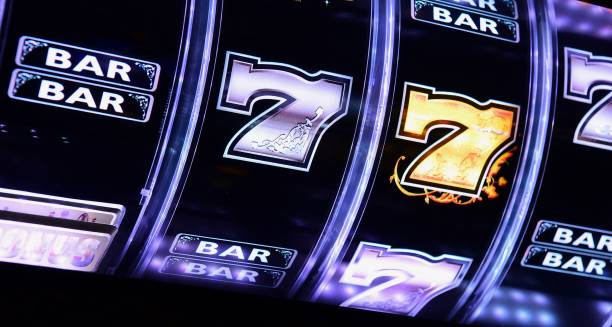
These early forms of gambling were not just about chance; they held significant social value. For instance, in ancient Rome, people would gamble during Saturnalia, a festival where social norms were relaxed. This showcases how gambling has been intertwined with cultural practices, illustrating that it was not merely a pastime but also a means of social engagement.
The Rise of Modern Gambling
The 17th and 18th centuries marked a turning point in the evolution of gambling, particularly in Europe. The establishment of commercial casinos in Italy laid the groundwork for modern gambling establishments. The popularity of games like baccarat and roulette grew during this era, leading to the proliferation of gambling houses across the continent.
As gambling became more organized, governments began regulating it, recognizing its potential to generate revenue. The emergence of state-run lotteries in the 18th century is a prime example of this trend. These developments not only reshaped the gambling landscape but also influenced social perceptions, moving gambling from a taboo activity to a more accepted form of entertainment.
The Advent of Online Gambling
The late 20th century brought a technological revolution that transformed the gambling industry. The emergence of the internet in the 1990s gave rise to online casinos, making gambling accessible to a broader audience. Players could now engage in their favorite games from the comfort of their homes, and the global market for online gambling exploded as a result.
This transition did not come without its challenges, as issues surrounding legality and regulation surfaced. However, the convenience of online platforms and the introduction of live dealer games have further enhanced the gambling experience, bridging the gap between traditional and digital gaming.
The Cultural Impact of Gambling
Gambling has significantly influenced various cultures around the world, shaping traditions and social norms. In many societies, it is seen as a rite of passage or a form of entertainment that fosters community bonding. From poker nights to betting on sports events, gambling plays a crucial role in social interactions.
Moreover, gambling has permeated popular culture through literature, film, and music, reflecting its complexities and moral ambiguities. From classic novels that delve into the consequences of gambling addiction to modern films depicting high-stakes poker games, these narratives highlight gambling’s dual nature as both a source of excitement and potential ruin.

Exploring Online Casino Opportunities
As we navigate the modern landscape of gambling, online casinos have emerged as a leading option for players seeking diverse gaming experiences. These platforms offer a wide variety of games, from traditional table games to innovative slot machines, catering to every preference and taste. With advancements in technology, players can enjoy seamless gaming experiences complete with interactive features and stunning graphics.
Choosing the right online casino is essential for a safe and enjoyable experience. Comprehensive guides and reviews are available to help players make informed decisions, ensuring that they find secure, licensed platforms tailored to their needs. As the gambling industry continues to evolve, the journey through its rich history and cultural significance remains an essential aspect of understanding its present and future.
Responses